Playing Chess with Chaos: Strategic Moves in Construction Management
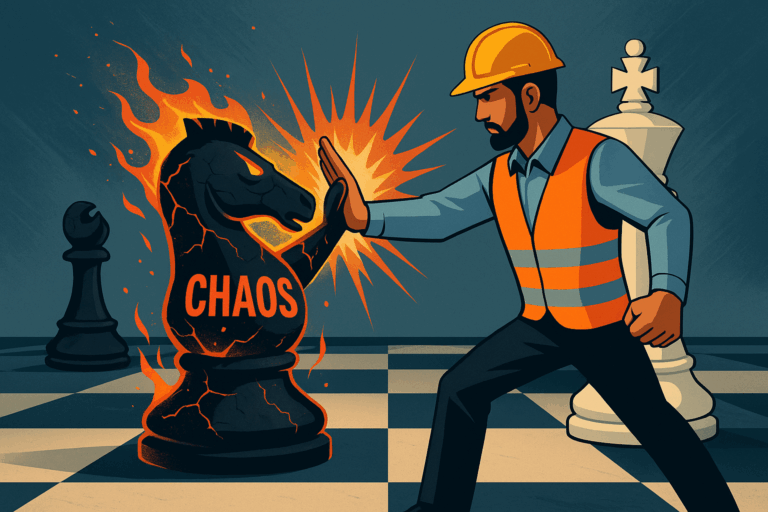
Handling disputes in construction is like playing chess with chaos. Success comes from anticipating moves, controlling the record, and staying nine steps ahead.
Handling disputes in construction is like playing chess with chaos. Success comes from anticipating moves, controlling the record, and staying nine steps ahead.
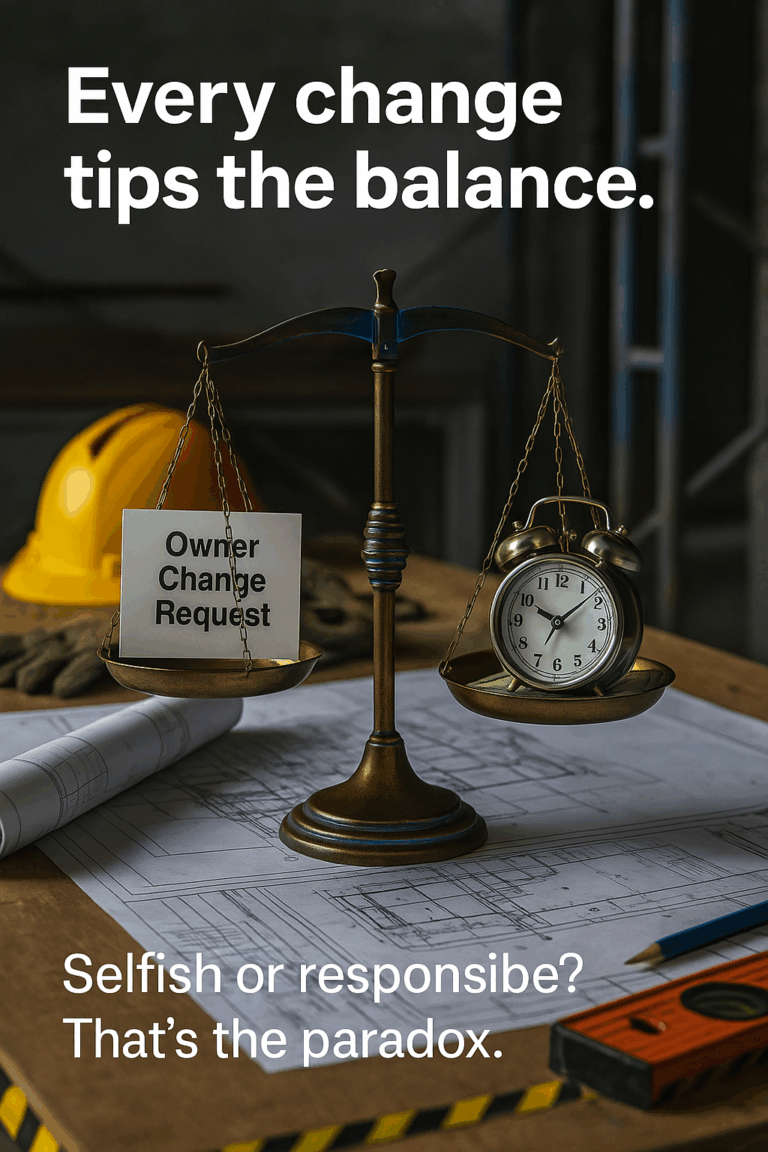
In construction, every change resets initial conditions and launches new ripple effects. Here’s why resisting a late-stage change isn’t selfish—it’s stewardship of schedule, float, and long-term value.
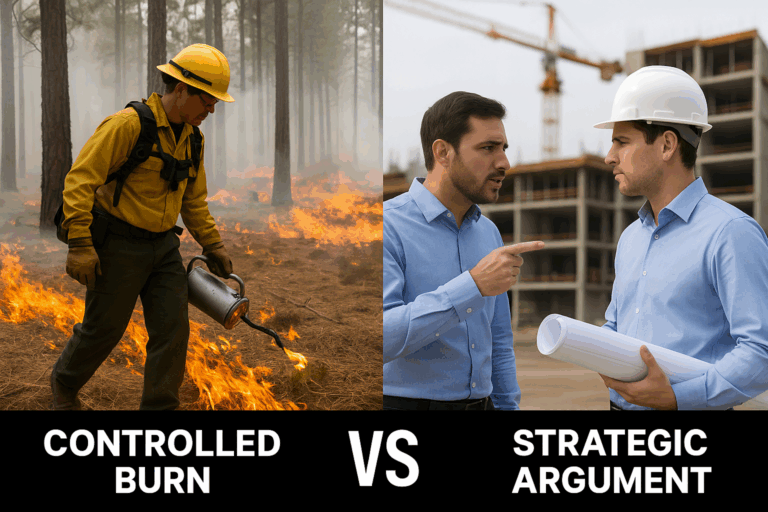
Arguments in construction management aren’t about ego—they’re controlled burns. Learn when to light the fire, when to wait, and how mutual respect keeps chaos in check.
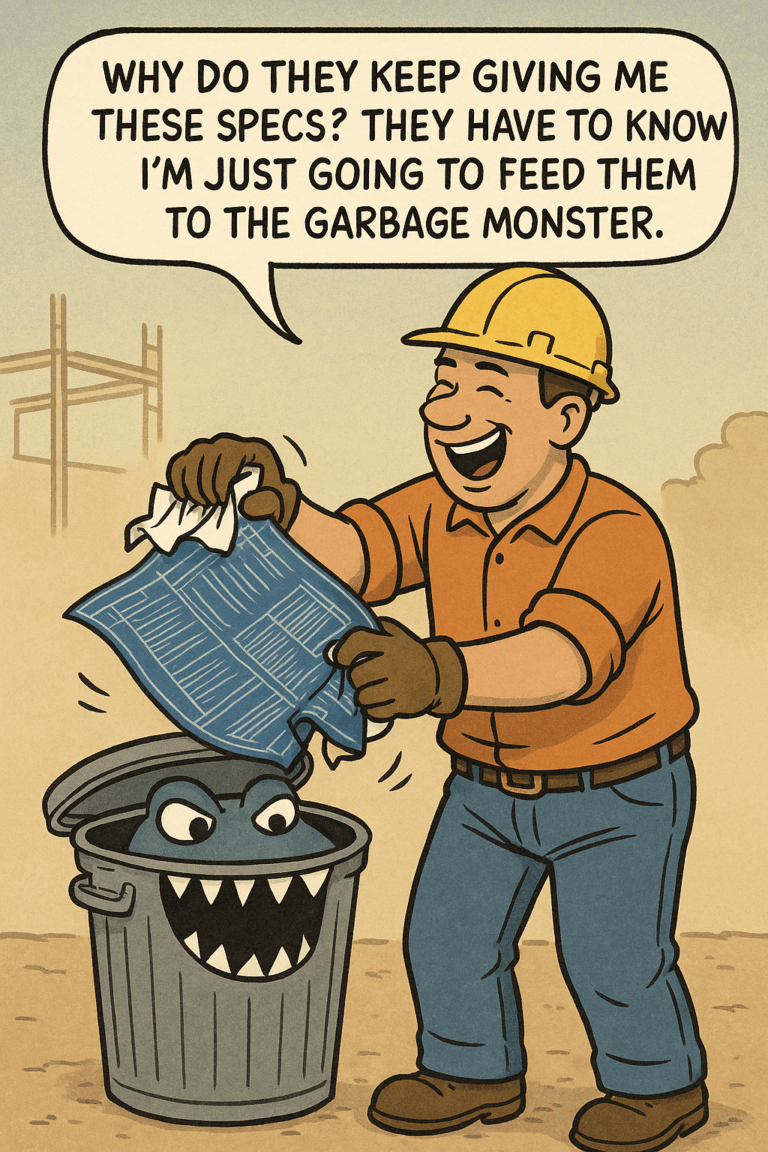
Some believe putting specifications on drawing sheets makes contractors more likely to follow them. In reality, it blurs standards, creates contradictions, and enables noncompliance. The CSI MasterFormat exists for a reason—stop treating the symptom and start fixing the cause: enforcement.

A double stake hit on an unmarked gas line reminds us that no matter how well we plan, construction chaos can still strike. Here's how to be ready for anything.

Silence isn't passive—it's powerful. Discover how staying quiet can give you the upper hand in meetings, negotiations, and jobsite conflicts.
In construction, quality is often the first thing thrown out the window when a project starts to slip. Schedules get compressed. Resources get stretched. And before you know it, we’re scrambling to fix mistakes that should’ve never happened in the…
Change in construction is inevitable—but chaos isn’t. Learn how to control scope changes using a proven five-part evaluation framework grounded in Construction Chaos Theory.
In construction, success starts with clear definitions. Learn how contracts, specs, and judgement protect your project from the grey-zone chaos that derails progress.
Perfection feels safe, but it can kill momentum. In construction, chasing ideal outcomes often delays real results. Learn how progress—not perfection—builds successful projects.